Manual burden
Specialists inspect X-ray images and cross-reference supporting information. The work is high-consequence, repetitive, and hard to scale.
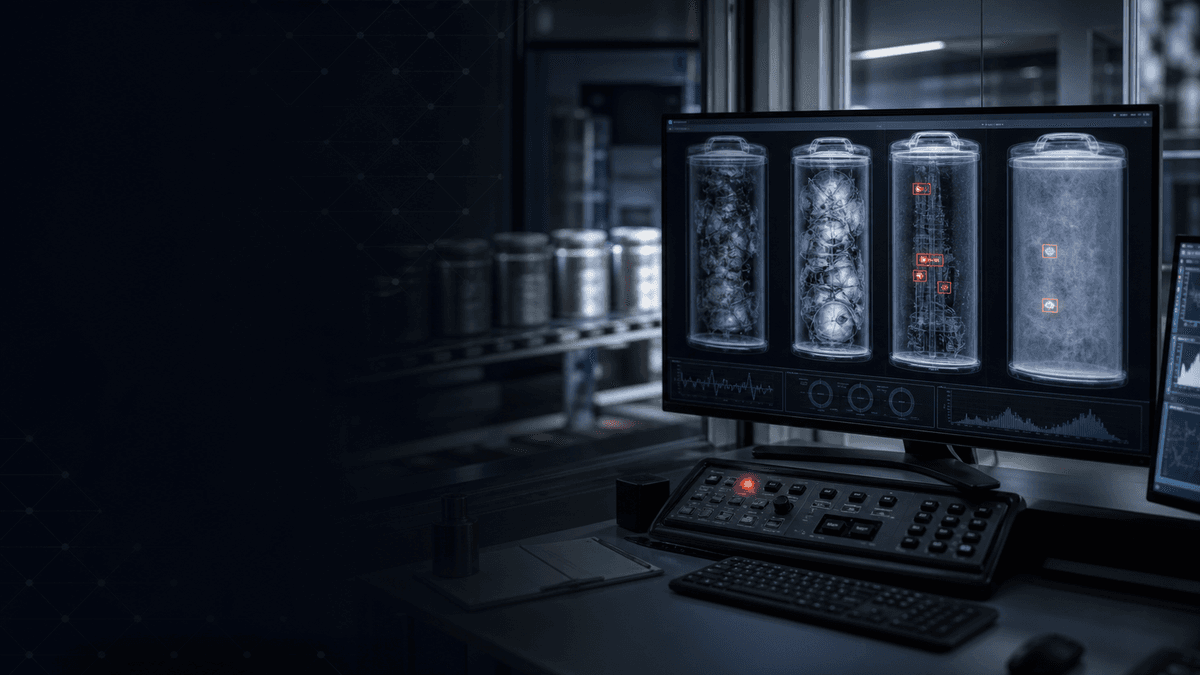
I turned a broad AI idea into a practical roadmap for Alpha Waste Can Assessment: understand the specialist workflow, test whether X-ray data is ready for machine learning, and show how Alteryx could support safer, less repetitive inspection.
3 anomaly classes
liquids, powders, dense objects
60/20/20 split
train, validation, holdout
5,000 frame target
production-ready dataset phase
Case study frame
The original Game Changers idea asked whether computer vision could identify anomalies in PCM waste-can X-rays. The useful pivot was narrower: inspect the dataset, model the specialist process, and separate what Alteryx could automate today from what needed more mature machine learning evidence.
Specialists inspect X-ray images and cross-reference supporting information. The work is high-consequence, repetitive, and hard to scale.
The blocker was not tool enthusiasm. It was whether enough labelled, representative X-ray frames existed to train and test fairly.
The model should prioritise review and learn from feedback. Specialist judgement remains central for subtle or ambiguous cases.
My first move
map the specialist workflow
Machine learning stream
prove dataset suitability
Automation stream
reduce document cross-referencing
Outcome
roadmap, primer, and pause criteria
Interactive inspection
This scanner is illustrative, not operational imagery. It teaches the same classification challenge from the report: each anomaly has a different visual signature and a different failure mode.
Angle
View B
Signal
Liquid
Confidence
61%
Dataset maturity
The report framed dataset development in three phases so the PCM team could see exactly what kind of evidence each stage can and cannot support.
Active plan
2,000
Alteryx workflow
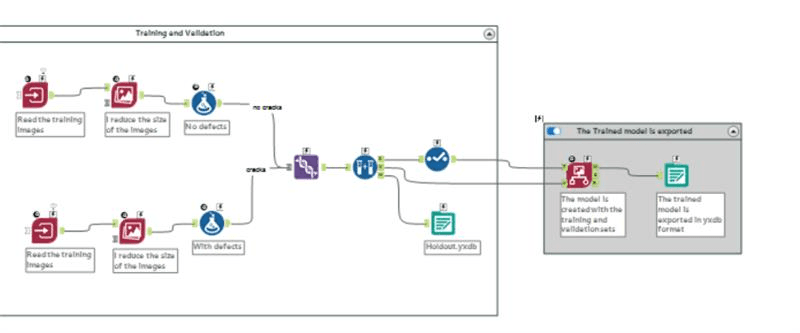
The community article explains the no-code mechanics: read images, process them, label examples, sample into train/validation/holdout, then train an image recognition model. I reframed that structure around PCM waste inspection.
Sampling
The report adopted the same core discipline as the Alteryx walkthrough: separate what teaches the model from what challenges it.
Output
A way to detect memorisation before deployment.
Experiment design
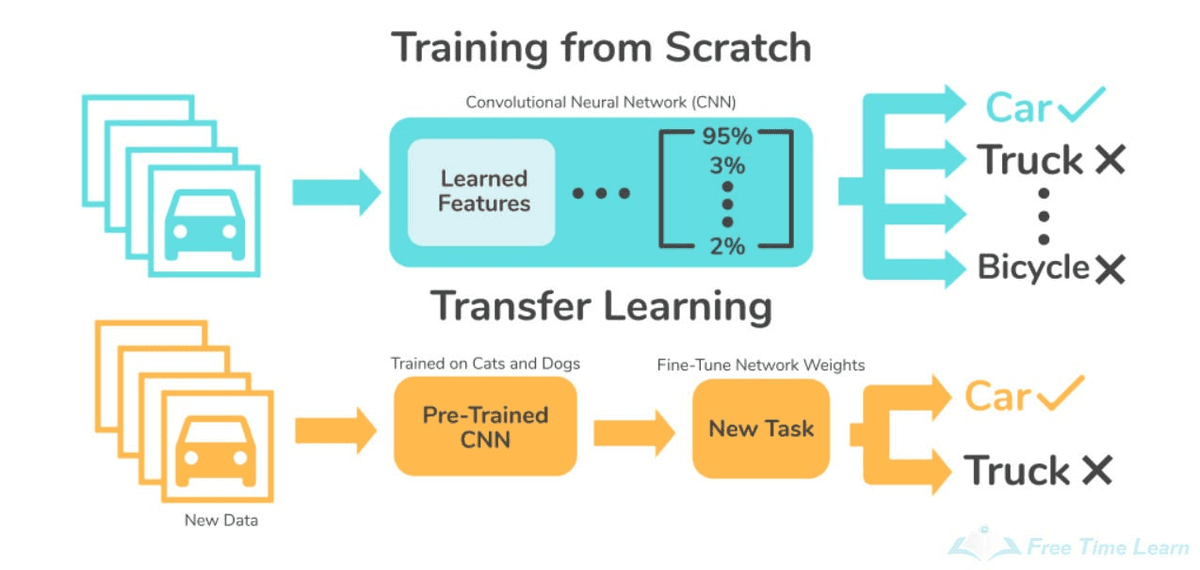
I treated the project as a learning system. Instead of asking for a perfect first model, the roadmap asks specialists to test controlled changes and compare precision, recall, F1, and confusion patterns by anomaly type.
Upside
Useful when powders and liquids are dispersed and not easily localised inside one box.
Downside
The model may learn irrelevant frame artefacts unless preprocessing and sampling are controlled.
Best for
Early feasibility and context-sensitive anomalies.
Decision simulator
The final recommendation was deliberately pragmatic. A pause is not a failed AI project if it prevents a weak model from entering a safety-critical workflow too early.
Conclusion
The strongest use cases are the tedious ones: first-pass triage, image/document cross-checks, missing-evidence flags, repeatable routing, and feedback capture for better labels. That is where AI is most useful here. It removes the repetitive scanning and admin around the inspection so specialists can spend more of their time on ambiguous anomalies, safety judgement, and improving the process.
Assumption for the estimate: 40 cans reviewed each week, 18 minutes of manual review per can, and an AI-assisted workflow removing 7 minutes of routine triage and cross-referencing per can while keeping high-risk decisions specialist-owned.